

AdTech
What the UK Less Healthy Food (LHF) Ad Ban Really Means for Brands (and Why Gaming Is the Answer)
In January 2026 the UK government’s ban on paid advertising of ‘Less Healthy Foods’ [LHF] online, and on TV before 9pm, came into effect. The change is part of its plans to reduce obesity and combat the health impact of poor diets.
This raises questions for advertisers around compliance and what comes next, especially with product-led advertising becoming more challenging. Smart brands will look to channel marketing through narrative-friendly channels while being mindful of these new rules.
Gaming presents one of the clearest opportunities for brands given this shift, and it's worth understanding why.
What the new rules mean for advertising
Following months of industry lobbying, the legislation now includes an important clarification: brand ads are exempt, “provided that the ad does not depict a specific LHF product or products.” This is an important distinction.
Practically, this means brands need to assess their advertising in terms of an identifiability test: “whether an average UK consumer could be reasonably expected to identify the ad as being for a ‘less healthy’ product or products.”
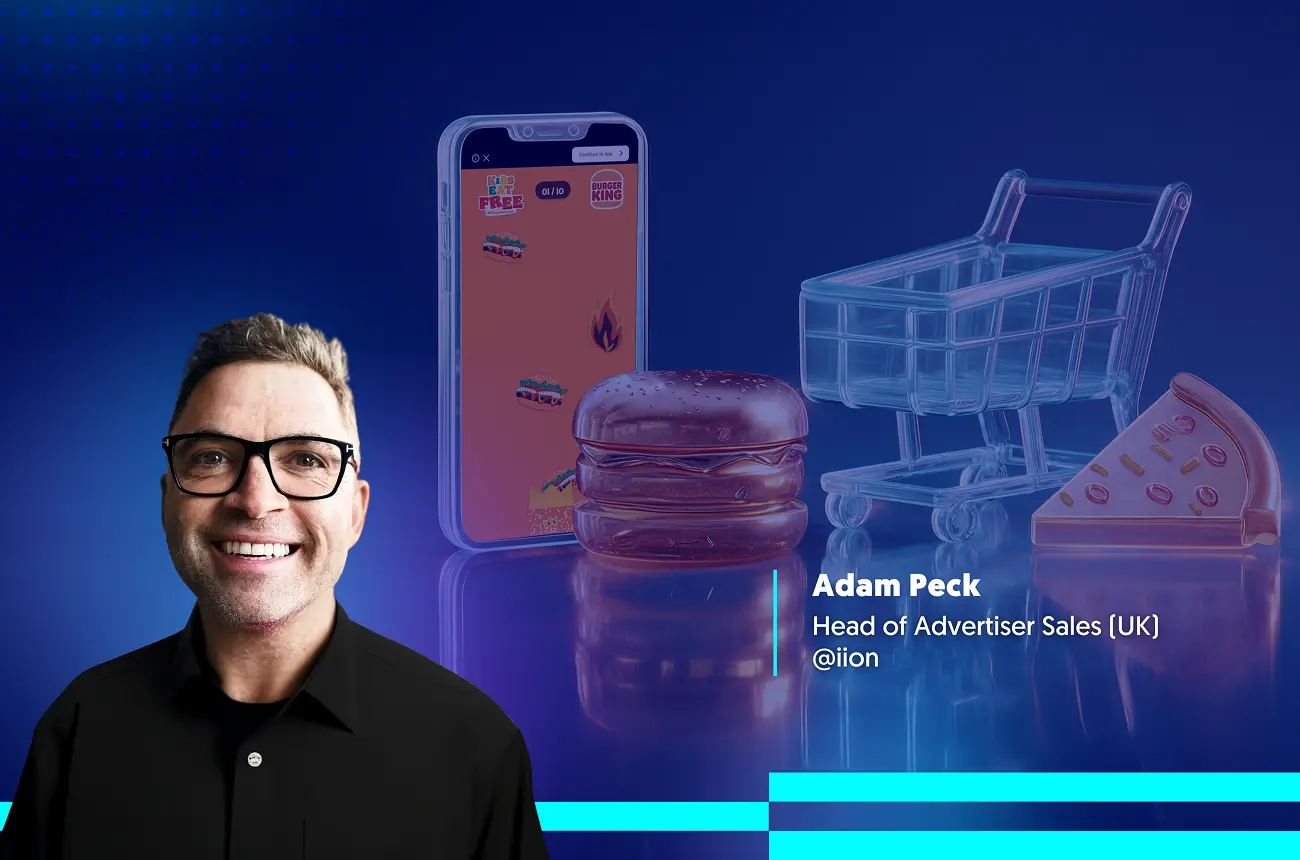
For example, a fast food brand promoting a meal deal containing a sugary drink and fries would not be compliant with the rules. However, marketing the burger on its own, as the most nutritionally valuable part of that meal, is possible.
Another key aspect is that an advertiser can promote any product on their own website. In other words, if you’re hosting it, you can advertise it.
However, traditional, paid-for advertising, digital or otherwise, remains a significant and essential part of most campaigns, and advertisers generally can’t afford to exclude it from their marketing strategies.
How brands can adjust their strategy to continue to reach the right audience
Broadly, brands should move away from product-led ads, and making direct reference to specific product details, toward a brand storytelling approach.
For example, building brand associations with a community, lifestyle choice, or demographic emphasise the brand’s role within consumer experiences. Ads can even refer to a brand’s broader range of products, as long as they don’t mention or depict specific LHF items.
This is where gaming becomes particularly compelling as a channel with formats that enable powerful brand-led marketing.
What brands can do specifically within a gaming context
The restrictions apply to gaming in the same way they apply to digital advertising broadly.
That said, the nature of gaming environments and the formats available within them creates room for brands to do something more interesting than just compliance-first creative.
We’re seeing brands use gaming as a bridge between their paid and owned channels. A brand might run broad brand-led creative in gaming environments, then use that to pull audiences back to their own website or app where product-specific content is still entirely fair game.
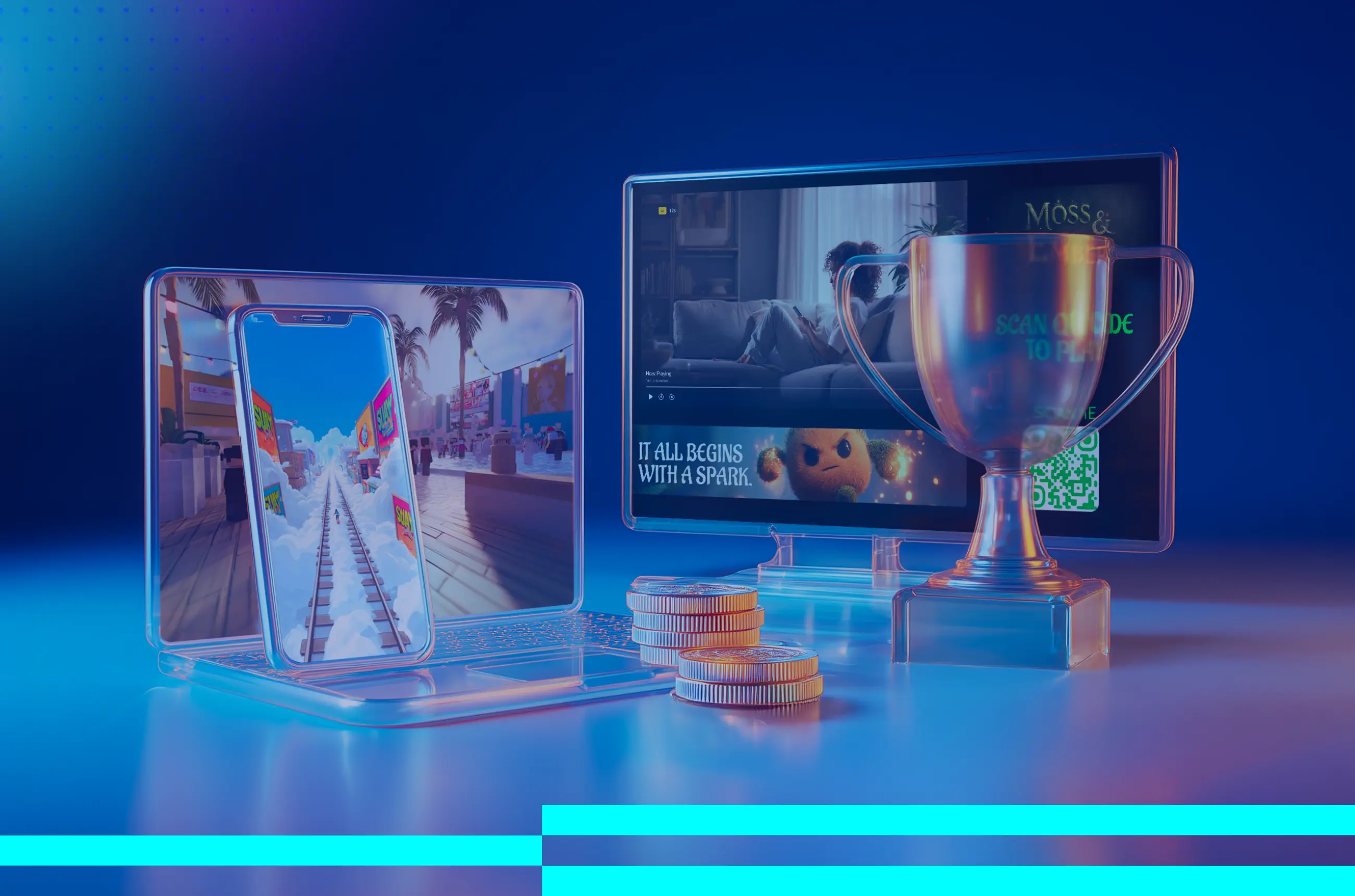
A QR code within an out-of-home or CTV execution, for instance, can lead users into a branded mini-game on a brand’s owned channel, creating a product promotion opportunity for the brand through something genuinely entertaining.
At iion this is exactly what we do: we conceptualise and build those experiences end-to-end, including playable ads - a format that's already a proven lever for driving app downloads and landing page visits.
In a recent iion campaign for a quick service restaurant, playable ads reached entirely new audiences beyond their existing social channels. The campaign also drove app downloads on a par with social ads, a clear demonstration of gaming's full-funnel potential.
What about specific gaming formats?
The variety of formats available within gaming means brands are spoilt for choice when formulating their strategies. Here are some of the key ones:
- Display interstitials within gaming, unlike web-based display, offer highly viewable full-page ads which demand consumer attention.
- Rewarded video is a similarly impactful format, because the user has opted in to watch in anticipation of a reward such as gaining an extra life or going up a level.
- Playable ads are a truly native gaming format, directly mirroring the user’s chosen environment. They’re playing a game, and within that experience, engaging with a playable ad. The advertiser is meeting them where they want to be.
The opportunity in restriction
Brands navigating the new rules need channels with formats that let them reach engaged audiences, tell brand stories effectively, and remain on the right side of the legislation. Gaming advertising offers all of that and it isn’t just about compliance.
The most forward-thinking brands will see these rules as a reason to invest in brand-led marketing that works harder, reaches new audiences, and builds the kind of connections that product-led advertising rarely does. Gaming is a strong place to start that work



Similar posts




Proud Member of


Certified by


